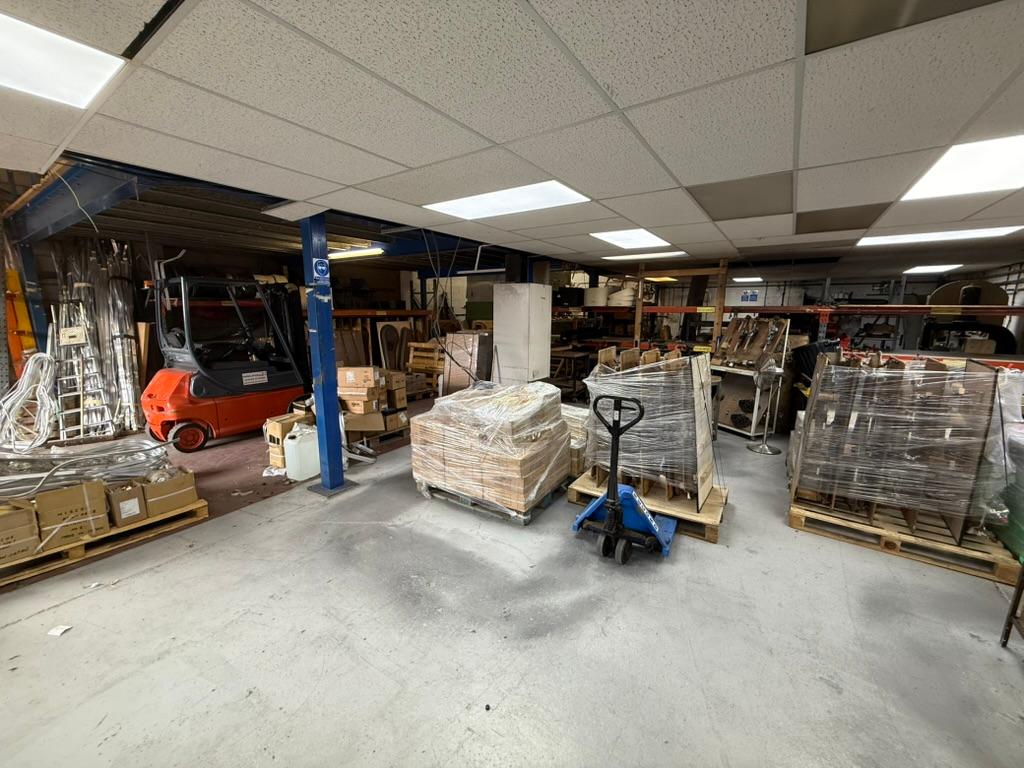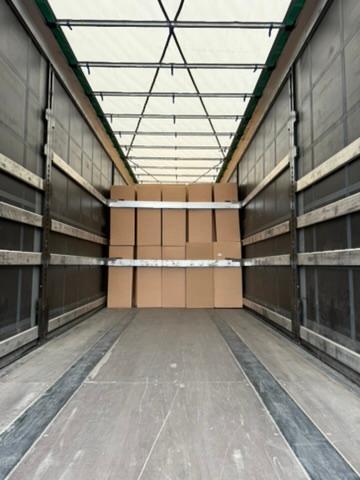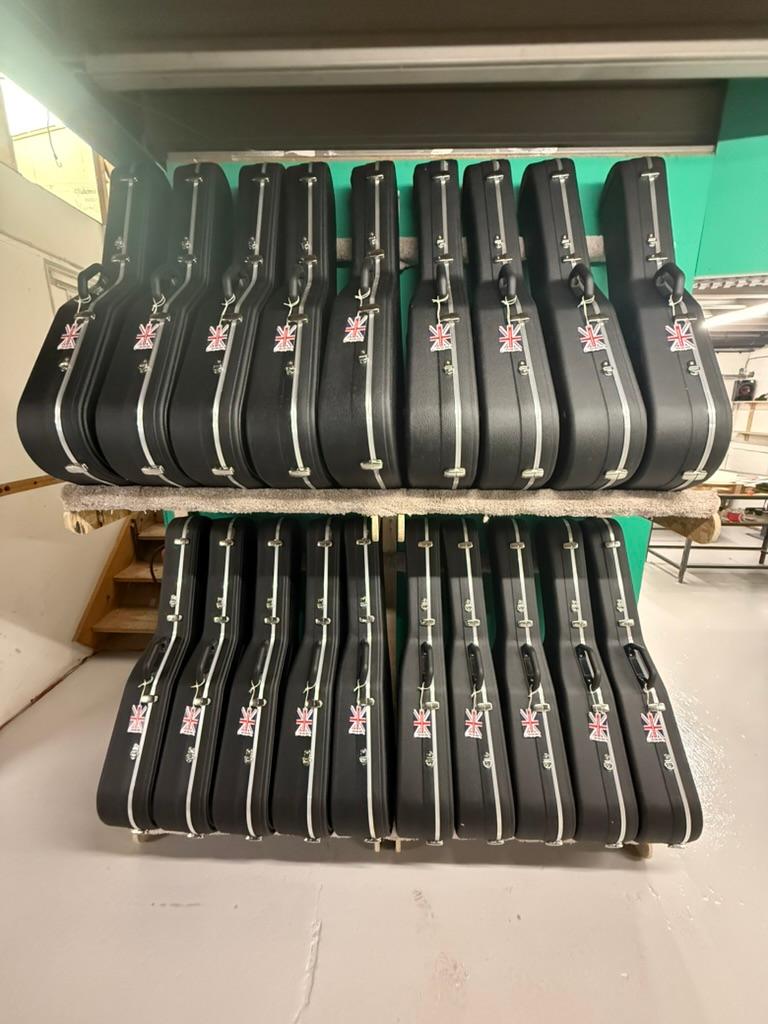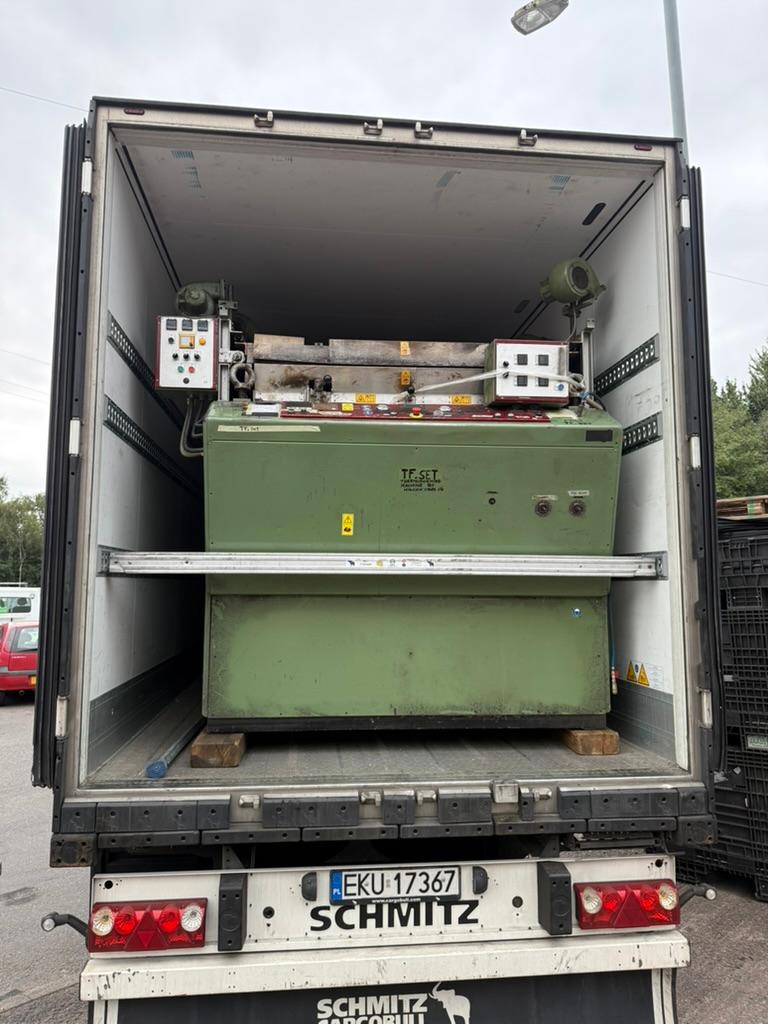
Previously: Griselda's Last Journey - dismantling the factory, navigating Brexit, and shipping forty years of equipment to Poland.
One Trainer
In the UK factory, training a new recruit meant sitting them down with an experienced worker for two to three weeks, full-time. After that, regular check-ins for another month or so before they could be left alone. And that was in a building full of people who'd been doing the job for years. Experts everywhere. Questions answered in seconds.
Poland had none of that. One person travelled from the UK with the full knowledge of how every area of the factory worked. One person who understood every stage, every material, every technique that had been refined over four decades.
That was the entire training department.
Setting Up the Floor
Ruf Technologies had already begun converting half of their guitar factory into a Hiscox case production facility. Where the UK factory had space for five production lines running simultaneously, Poland had room for two. That was fine. Two lines could produce eight to ten thousand cases a year, more than enough to supply the makers and dealers who'd been waiting.
The factory areas were roughly laid out as requested:
- Vacuum forming - heating and moulding the ABS shells
- Trimming - precision cutting that determines how everything fits
- Carcase - bending the aluminium valance and riveting all hardware
- Foam room - folding cloth around presses and injecting foam interiors
- Tucking and finishing - final assembly
- Quality control - the last check before a case ships
None of them were quite right. Every area needed fine-tuning. How the shells were stacked after forming. How they cooled. How the trimming table was calibrated. How the aluminium profiles matched the corners and bends of each shell. Dozens of small details that, if wrong, would ripple through the entire production chain.
Every Area is a Specialism
The process of building a Hiscox case has barely changed since 1985. The techniques Brynn developed in those early years are still the techniques used today. And every single one of them takes time to learn.
The foam room alone is a job that takes months to master. Folding cloth precisely around the presses, getting the foam injection right, making sure the interior fits perfectly inside the shell. It's physical, detailed work with very little margin for error.
In the UK, someone with a year of experience in the foam room was still learning. Two years in, they were good. Three years, they were fast and consistent. The same applied to every other area. Carcase work. Trimming. Aluminium bending. These are not jobs you pick up in a week.
And here, every area had to be taught at once. Not one specialism at a time, but all of them, simultaneously, to a team that had never seen a Hiscox case being made.
The Ruf team's English was excellent, so communication was never a real barrier. The training could focus on what mattered: the craft itself.
Quality Control
This was the hardest part to train. Every other area of the factory feeds into quality control, and the people checking the finished cases needed to know what "right" looked like. Not just acceptable, but right.
An experienced eye can look at a finished case and immediately see where a problem originated. A slight misalignment in the trimming stage. An imperfection in the foam. A bend in the aluminium that's a degree off. These things are subtle, and knowing what to look for takes time.
In the early months, quality control was getting overwhelmed. Too many cases coming through with issues that needed repairing or sending back. Too many problems that should have been caught earlier in the process.
That was expected. It was part of the learning curve. But it was still the most critical area to get right, because QC is the last line of defence. If it fails, the customer sees the problem.
Now, months later, the team knows exactly what they're looking for. Cases arrive at QC, get a quick clean, a hoover out, keys and serial number added, and they're ready to go. The standard is there.
Longer Than Expected
The original hope was to have production running by November 2025. The first delivery didn't arrive until March 2026.
Four months behind schedule. But looking at what was achieved in that time, from an empty factory floor to trained staff producing cases at the quality standard that Hiscox has maintained for forty years, it's hard to call it a delay. It was the time it needed.
Next in The Hiscox Story: Here They Are - the first delivery of made-in-Europe Hiscox cases arrives in Derbyshire.