Previously: Teaching a Factory - training a new team in Poland to build Hiscox cases from scratch, with one trainer and forty years of knowledge to transfer.
The Truck
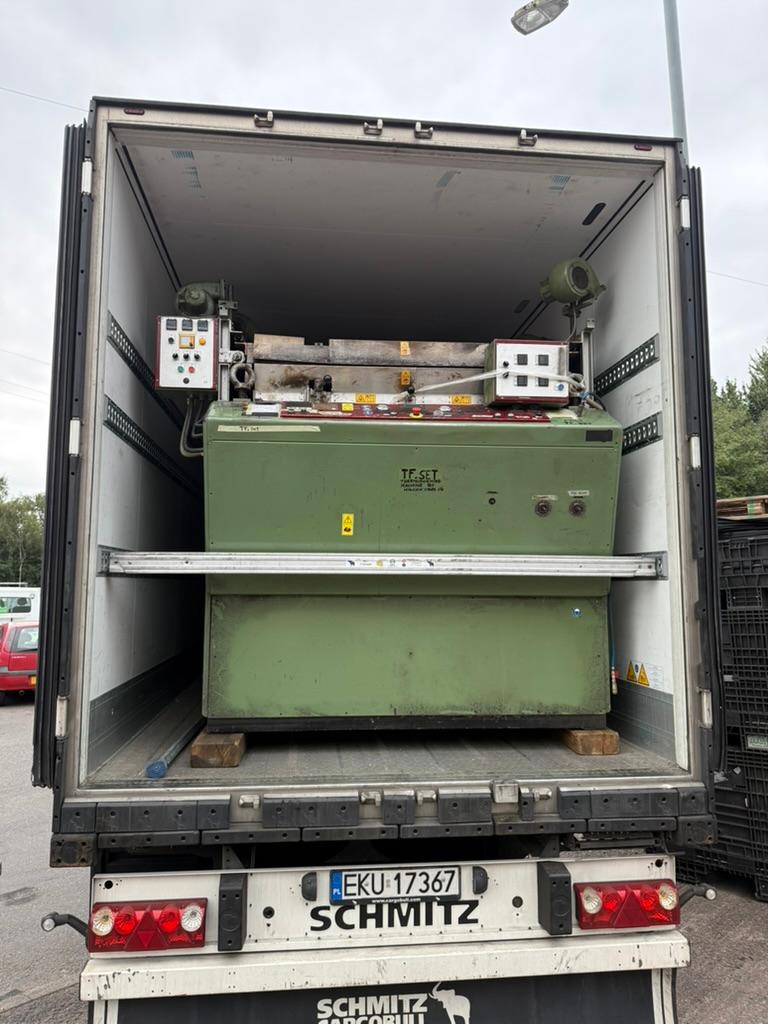
Months of planning, training, fine-tuning, and waiting. Then one morning in March 2026, a truck pulled up at the warehouse in Derbyshire.
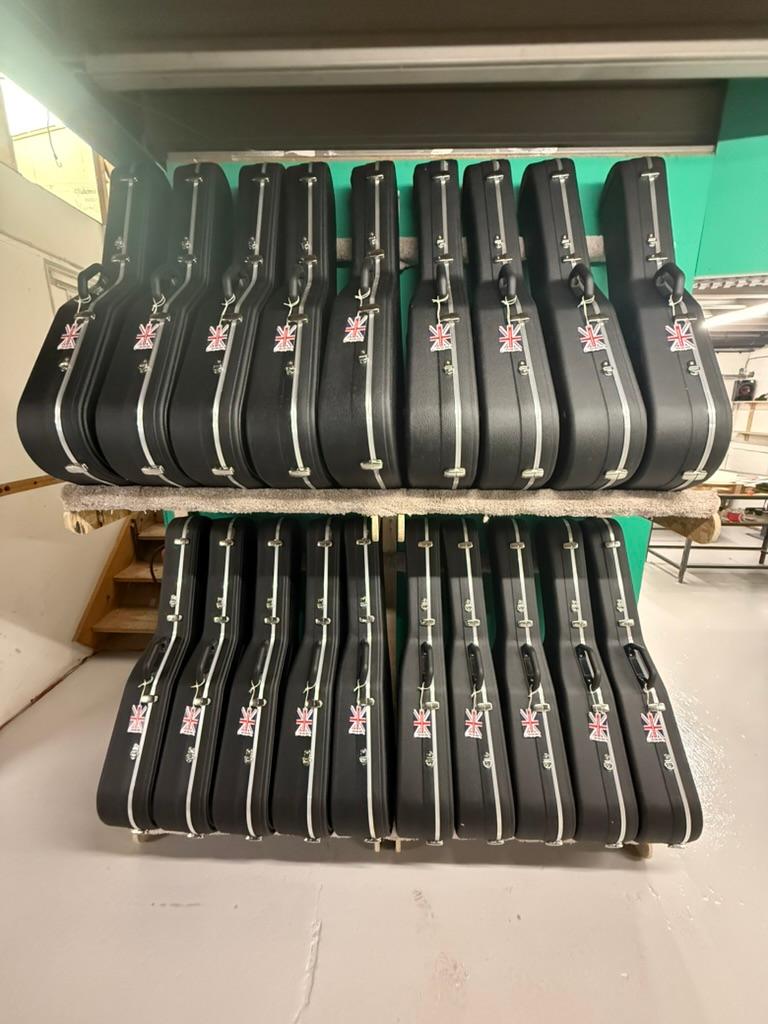
Inside it: the first batch of Hiscox cases made in the new European factory.
Same ABS shells. Same aluminium valance construction. Same handmade process that Brynn Hiscox developed in 1985. Same Triple Shield protection that has kept six hundred thousand instruments safe over four decades. Just built by a new team, in a new factory, under new ownership.
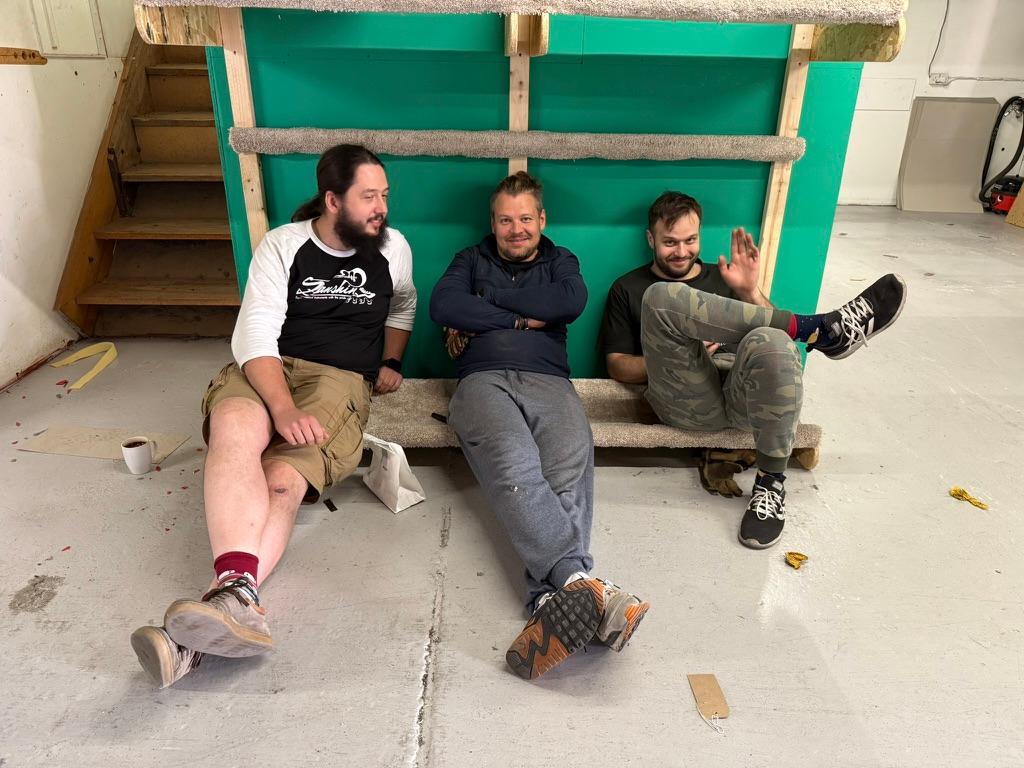
The unloading was done by hand. Two people. A family affair, as it has always been.
The Customs Problem
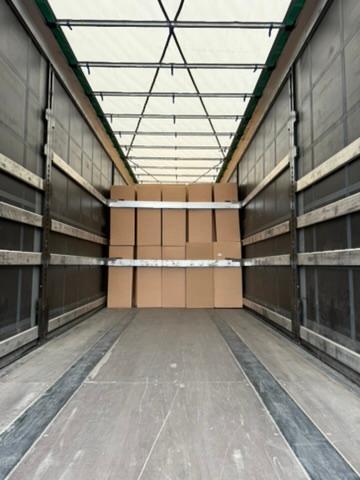
About half the boxes showed clear signs of having been thrown around by customs inspectors. The difference between a box that had been handled properly and one that hadn't was obvious.
Every single box was opened and inspected. Roughly two hundred cases, checked one by one. Lids tested. Latches clicked. Interiors examined. Hardware checked.
Every case was fine.
That's the point of a Hiscox case, really. The whole design philosophy, from Brynn's original brief of "ultra lightweight but strong enough to stand on," exists for moments exactly like this. The cases did what they were built to do.
Into the Warehouse
With the inspection done, the cases were organised, catalogued, and stored. Trade orders were notified. Distribution to dealers and makers across the UK began.
For the customers who had been waiting, some since before the UK factory closed, this was the moment. Hiscox cases were available again. Not as a legacy product running on old stock, but as a living production line with capacity to grow.
What It Means
This delivery was more than logistics. It was proof that the whole project worked.
The factory move worked. The training worked. The quality standard held. A production process that had taken forty years to develop in Staffordshire had been successfully transplanted to Poland, and the cases coming off the line were meeting the same benchmark.
That's not something you can take for granted. Manufacturing knowledge is fragile. It lives in muscle memory, in the habits of experienced workers, in the small adjustments people make without thinking about it. Transferring all of that across borders, across languages, to a team that had never seen the process before, could easily have gone wrong.
It didn't.
The Road Ahead
Production is improving every day. The team at Ruf Technologies have the expertise and the facilities to do something the UK factory never could: create new tooling, develop new case types, design new interiors.
Conversations are already happening about new styles, new interior cloths, new colours, new case shapes. The forty-year-old product line is about to evolve. Not by abandoning what made it great, but by building on it with modern composite manufacturing capability.
The target is straightforward. More capacity. Higher output. The same uncompromising quality. The trade wants these cases, and the job now is to supply them.
After everything it took to get here, from a smashed guitar in the 1980s to a truck pulling up in Derbyshire in 2026, the feeling is simple: we've done it. Now the real work begins.
Next in The Hiscox Story: What Hiscox Music Co Stands For - a showroom, a website, and a new home for the makers who've been part of this story from the start.